Aircrew Parachute Harness/Pack – Vulcan & Victor Crew Seats: Collectible Aircraft Emergency Gear
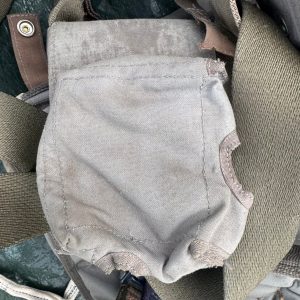
The Aircrew Parachute Harness/Pack – Vulcan & Victor Crew Seats combines historical aviation interest, crew-seat integration potential, harness construction, and emergency-equipment significance.
An Aviation Parachute Harness and Pilot Parachute Harness should be identified through labels, part numbers, manufacturing records, and configuration-specific information.
The Aircraft Emergency Parachute Harness and related Aircrew Safety Harness, Flight Crew Parachute Harness, Emergency Parachute Harness, and Military Aircrew Harness keywords help connect the product with aviation collectors and specialists.
The Aviation Emergency Escape Harness, Parachute Harness Assembly, Aircraft Crew Safety Equipment, Aircrew Emergency Equipment, and Pilot Emergency Parachute System form part of a broader aviation safety category.
The Flight Parachute Harness should remain matched with the correct parachute pack, seat arrangement, attachment hardware, and operating system.
Overview of the Military Aircrew Parachute Assembly
The offered harness and pack should be identified through visible labels, part numbers, contract markings, manufacturer information, dates, inspection stamps, and known aircraft-seat relationships.
Photographs should show the front, rear, sides, webbing, buckles, attachment points, pack, labels, stitching, hardware, and areas of wear.
Aviation Parachute Harness Construction
The condition of each structural element contributes to the overall integrity of the assembly.
Repairs should not be assumed acceptable merely because they appear neat or use similar-colored material.
Pilot Harness Strap Configuration
A Pilot Parachute Harness should correspond with the wearer, clothing, seat arrangement, parachute pack, attachment system, and intended operating configuration.
Professional conservation can protect both the Pilot Parachute Harness and its historical significance.
Understanding Emergency Parachute Attachment
Its effective function depends on the complete relationship between harness, pack, canopy, seat, releases, attachment points, and crew procedures.
The relationship between each fitting and its surrounding webbing should remain visible for inspection.
Military Aircrew Safety Components
The intended function should be established through technical references and component markings rather than appearance alone.
Historic harnesses should be stored away from direct sunlight, moisture, pests, chemicals, sharp objects, heat, and uncontrolled handling.
Evaluating a Flight Crew Parachute Harness
A clean appearance does not establish structural strength or operational suitability.
Transparent information strengthens trust among buyers of Flight Crew Parachute Harness equipment.
Emergency Harness Storage Review
Inspection should begin with the harness laid on a clean, dry, nonabrasive surface under strong lighting.
Metal fittings should be checked for rust, pitting, cracks, distortion, sharp edges, frozen movement, and plating loss.
Historic Military Aviation Harness Equipment
Incomplete items can still provide useful reference, restoration, or educational value.
Conservation-focused presentation protects the Military Aircrew Harness for future study.
Military Aircraft Escape System Components
An Aviation Emergency Escape Harness should be understood as one part of a larger crew-survival and emergency-egress arrangement.
Reference photographs and manuals may help reconstruct the intended arrangement.
Military Parachute Pack Components
A pack exterior does not prove that a canopy, pilot chute, deployment components, or internal equipment remain present.
Loose components should be photographed, labeled, and packaged separately so they are not lost or mistaken for unrelated hardware.
Aircraft Crew Safety Equipment
Each item should be identified and evaluated individually because age, storage, configuration, and service history can differ.
Careful preservation supports the long-term value of Aircraft Crew Safety Equipment.
Choosing Aircrew Survival Components
A harness/pack associated with Vulcan or Victor crew seats can contribute to research into military cockpit equipment and emergency procedures.
Claims about operational readiness should require current professional evidence.
Evaluating Historic Parachute Systems
Historic parachute equipment may have exceeded original service intervals or contain materials affected by age and storage.
When internal contents are unknown, the listing should state that clearly.
Preserving an Aviation Harness Assembly
Display mounts should support the harness without introducing tension, sharp bends, adhesive contact, or metal-to-fabric abrasion.
The harness should not be worn by visitors when age, strength, or contamination is unknown.
Military Harness Purchase Considerations
A Flight Parachute Harness should be purchased according to intended use, identity, condition, completeness, provenance, size, configuration, and available documentation.
Original storage bags, manuals, inspection cards, or photographs can increase collector interest.
Military Parachute Component Matching
Configuration research helps avoid historically inaccurate or technically unsuitable assemblies.
Any uncertain connection should remain unforced and documented.
Evaluating Historic Parachute Equipment
A detailed review reduces uncertainty and supports realistic valuation.
- Resolve identity, provenance, configuration, and package-completeness questions before payment.
- Check metal hardware for corrosion, pitting, cracks, bending, sharp edges, seized movement, plating loss, and mismatched parts.
- Retain purchase records, photographs, provenance documents, packaging, and condition reports with the collection or restoration file.
Storing the Aircrew Parachute Harness/Pack
Acidic cardboard, untreated wood, plasticizers, rubber, chemicals, and damp fabrics should not contact the equipment.
The item should be inspected periodically for corrosion growth, mildew, pest activity, staining, webbing changes, odor, hardware movement, and storage damage.
Displaying the Vulcan and Victor Harness/Pack
A conservation-focused display preserves the Vulcan and Victor harness/pack for future study.
The equipment should remain accessible for periodic inspection without requiring extensive dismantling.
Protecting Aviation Safety Equipment
Aggressive cleaning can remove original markings, finishes, inspection evidence, or historically significant wear.
Documentation should record every intervention, added component, cleaning method, and display modification.
Choosing the Aircrew Parachute Harness/Pack – Vulcan & Victor Crew Seats
The Aircrew Parachute Harness/Pack – Vulcan & Victor Crew Seats may suit museums, military aviation collectors, cockpit restorers, historians, preservation specialists, and buyers seeking authentic aircrew equipment.
Careful technical, historical, and commercial evaluation can reduce authenticity concerns, condition surprises, missing-component costs, and unsuitable-use assumptions.
Whether the assembly is purchased for restoration, research, display, reference, collection, or specialist evaluation, transparent documentation and responsible handling provide the strongest foundation.
With verified read more provenance, careful inspection, protected storage, reversible display methods, organized documentation, and responsible conservation, the harness/pack can provide lasting historical value.